2020年10月2日 星期五

Tao Te Ching Ch 3

 The Door of all Wonders: 

The Commentary on the Tao Te Ching (Ch 3)

by Nirguna C K  Lam


Chapter Three


Do not glorify the achievers,

so that people will have no jealousy and contention.

Do not treasure goods that are hard to obtain,

so that people will not become thieves.

Do not show what is desirable,

so that people’s heart will not be disturbed.

Thus, the sage governing people:

Purify their hearts,

Fill their bellies,

Weaken their ambitions,

Strengthen their bones.

Always keep people innocent of worldly knowledge and free from desires,

so that the clever dare not to act.

Act without actions, nothing will not be well-ordered.


Review


The Tao Te Ching tells us Tao and Te. Tao is the Truth, everlasting; Te is the Virtue, the embodiment of the Truth, the outward expression of the Truth. The Truth and its Virtues manifested can benefit people in their own spiritual life in the individual level, the relationship among people can also be harmonious in the social level, the livelihood of people in the whole society will be better off in the economic level, and the righteousness of governance can be attained in the political level. With the Truth and its manifestations as Virtues in different senses, people will have peace in the whole world. There are only a few words in this Chapter, but it covers the aspects of individual, social, economic and political views, how the Truth benefits us in all the levels.


The Truth mentioned as Tao in the Tao Te Ching is the wisdom totally different from the worldly cleverness for gaining fame, honour, achievement and success that is what Lao Tzu says the clever men want to acquire worldly achievements, benefits and profits as much as possible, but what we need is not much. We, human, only need to live in comfort with simplicity, being well fed for healthy body and mind, but need not have many material possessions, belongings, fame and honour. We do not need to live in a big castle with a lot of luxurious items and decorations where many people praise us with honor and admiration. No need! They are all burdens. What we need most is Tao and Te only, thus Lao Tzu says:


“Do not glorify the achievers,

so that people will have no jealousy and contention.

Do not treasure goods that are hard to obtain,

 so that people will not become thieves.

Do not show what is desirable,

 so that people’s heart will not be disturbed.”


With Tao and Te, everyone can live well. People all enjoy their simple life with the awareness of the Truth all pervading. They do not need to rob or steal anything for their satisfaction by being cunning. Truth is not a material item. Tao and its embodiment, Te, both are not commercial goods for transaction in the market for gaining money or material belongings. As Tao is not a material good, it is imperishable. It is the spiritual world of the Truth that we need to attain whereas no material products can be involved. On the contrary, less and less desire for material life is needed to attain the higher and higher spiritual level which finally makes people free from all desires. We should live well with simple life but never indulge in having luxurious life, thus Lao Tzu says:


“Thus, the sage governing people:

Purify their hearts,

Fill their bellies,

Weaken their ambitions,

Strengthen their bones.”


Lao Tzu tells us to avoid worldly ambitions and should be free from desire. Worldly knowledge is only needed for having simple life with a strong body and pure heart. It is why Lao Tzu says people should “purify the heart, fill their bellies, weaken their ambitions and strengthen their bones”. Then our spiritual level can be uplifted by not bothering too much about the material life and concentrating more on spiritual life. This is the advice Lao Tzu gives us. To purify the heart, Truth itself will prevail in us, no need to teach with a lot of words. To purify the heart, a simple life is needed. That is totally opposite to the global trend of materialism prevailing in the whole world since the western powers for these several hundred years have had successfully controlled the world leading people to enjoy material life as much as possible while neglecting the spiritual life which should be the master of the material life, not the slave of the material life.


From the 18th century, the Industrial Revolution first started in Britain, followed the rise of imperialism among the western powers which enabled them to conquer the whole world. We humans began pursuing the life of over-production and over-consumption and hence our environment has been exploited and polluted. Our spiritual life becomes the servant for material life. As the material life becomes the master, all people aim at gaining everything they want in the material level. Some people can have much they want without limits while some people cannot. There are two groups of people in our society, those who have material affluence and those who have not. Those who have will try their best to maintain their material gain and even want to be more. It also means exploitation and setting the rule of games favorable to them only. Those who have not will also want to have but feeling disappointed by whatever they can try with failure; and being trapped in a stage of poverty, they are jealous of the rich people, and they just want to be one of them as their only aim in life.


Our society cannot be harmonious. Morality becomes hypocritical. People oppose each other in the real sense. They try to defend themselves by being cunning and dishonest rather than cooperating with each other with honesty and care. This is what our society forwarding in this way. There will be no use of whatever system or ideology if we do not have Tao and Te. The cleverer the people will be, the more cunning they can be and the eviler they can act with success. This society is the most troublesome as Lao Tzu warns us. Any act against the Truth, against humanity will become permissible and advisable by the rule of games the cunning people stipulated, thus Lao Tzu says:


“Always keep people innocent of worldly knowledge and free from desires,

so that the clever dare not to act.”


Lao Tzu tells us to be innocent and pure so that we may abide by the Truth in us, never to be clever in the worldly sense. When everyone is pure and innocent, without too many desires of material gains to disturb their mind and conscience, what they act is only according to their pure nature, hence, will not harm anyone and anything. To act with the Truth, to act with their pure nature without selfishness and harmful purposes, is called “act without actions”. Only in the society in this sense, Lao Tzu says:


Act without actions, nothing will not be well-ordered.


Lao Tzu tells us how to govern the world starting from the individual level. People should be pure and innocent. They do not have desire to gain fame and honour. They do not have desire to have luxurious life. They do not have desire to have precious goods. Then no one will become a robber or a thief, to be a very great person or a very poor person. What they need to attain is their purity in heart, “Tao” in their heart. We all can have simple and sufficient life to live in harmony together. If the ruler can provide the environment for people to attain their purity, then all actions can be taken according to “Tao” without cleverness aiming to cheat to be higher than someone and let some people down. To act truthfully with their pure nature is called “action-less action”. This is the ideal. Everything will be naturally in their order.


2020年9月22日 星期二

Tao Te Ching Ch 2

 The Door of all Wonders: The Commentary on the Tao Te Ching

by Nirguna CK Lam


Chapter 2


When all people in the world know beautiful as beautiful, 

ugly arises.

When they know good as good, evil arises.

Thus, being and non-being are born together.

Difficult and easy bring about each other.

Long and short are formed together.

High and low face each other.

Notes and tones harmonize together.

Front and back follow each other.

Therefore, the sage does the actionless actions, 

conducts the teaching of no words,

facilitates all creatures to arise without showing any authority.

He rears but does not possess.

He serves but does not expect any gratitude.

He succeeds but does not dwell on his success.

Since he does not dwell on his success, 

his merits will never go away.


Review


Lao Tzu tells us that our world we are living is full of pairs of opposite like the beautiful and the ugly as well as the good and the evil. With beauty, we know what is not beautiful and what is ugly. With goodness, we also know what is opposite of goodness, i.e., the evil. If there is only beauty and goodness in our world, our world would be perfect, but it is not so, thus Lao Tzu says:


“When all people in the world know beautiful as beautiful, 

ugly arises.

When they know good as good, 

evil arises.”


We have all the pairs of opposite. We have something and we also do not have something. As we are told in Chapter 1, all beings come from non-being, i.e., something comes from nothing. From nothing, we have something; then we will return to nothing again, thus Lao Tzu continues:


“Thus, being and non-being are born together.

Difficult and easy bring about each other.

Long and short are formed together.

High and low face each other.

Notes and tones harmonize together.

Front and back follow each other.”


The concept of being difficult implies there is something easy. Without the concept of being easy, the opposite concept of being difficult cannot exist. If everything is easy, how would you know what is easy and what is difficult? The same are the concepts of being long and short, high and low, front and back. The one exists so the other does and so we know their difference. If everything is long, we do not know what is short. If everything is high, we do not know what is low. If everything is in the front, we do not see anything in the front or at the back. Take the example of music and sounds, with different tunes, a melody can be composed. If there is only one note, one tune, music cannot be composed. Our material world is the same as the music with different tunes and melodies.


How does a sage see the world with all the pairs of opposite existences? Lao Tzu tells us to be detached from different situations of up and down, good and bad, pleasing and displeasing, high and low, happiness and sorrow and so on. When having fortune, do not feel so happy. When having misfortune, do not feel too sad. Sometimes we are in the front. Sometimes we are at the back. Sometimes you look tall, while sometimes you look short. Sometimes you are respected as higher than someone, while sometimes you may be disrespected as lower than someone. Sometimes you have some easy job at hand, while sometimes the job is difficult for you. After all, no one can escape from dealing with all these situations of differences in this material world. But beyond the material level, we can master our spiritual world beyond all the pairs of opposites. How can we transcend our view in this material world? Lao Tzu gives us the answer:


“The sage does the actionless action.”


What is actionless action? That is action without desires. The sage acts without desires, just like the sun shines without desiring anything and anyone, just like the rain falls on the earth without demanding for anyone and anything. It is only the functioning of the nature. Since the sage does not have any desires, he also naturally conducts the teaching of no words. He resembles the nature, “facilitates all creatures to arise without showing any authority.” He does not desire any honor and fame when doing good to people. He also does not demand anything as he is just doing his duties only. He is dispassionate when dealing with different circumstances, just like the functioning of the nature, thus Lao Tzu says:


“Therefore, the sage does the actionless actions, 

conducts the teaching of no words,

facilitates all creatures to arise without showing any authority.

He rears but does not possess.

He serves but does not expect any gratitude.

He succeeds but does not dwell on his success.”


Without sunshine and rain, people will all die but the sun and the cloud do not demand anything when being beneficial to the world. People also do not feel that they are controlled by the sun and the sky. This is the same as the person who has the Truth in him. He is well called as the sage described by Lao Tzu with special quality like the pure nature functioning the Truth. Therefore, he is the leader, but he does not stress on the leading role outwardly. “He rears but does not possess.” He does not want to take away anything from anyone for his personal interest or favour. “He serves but does not expect any gratitude.” No gratitude demanded as he is only doing his duties without expecting anything extra. He succeeds but he also does not hold on to the success as his own. After being successful with achievements, he retires. So, the success of him remains success as it cannot be changed into failure. If he holds on to the success and does not leave his position to let other talented people contribute, his success will turn into failure. So Lao Tzu says:


“Since he does not dwell on his success, 

his merits will never go away.”


Whenever we see different people with different situations, being one of them in this world, we should remember what Lao Tzu tells us in this Chapter. We cannot avoid all the differences among us in the material level, but spiritually we can avoid being affected and disturbed. We should go higher than all the pairs of opposites. We do not need to be jealous or envious thinking that you are better than someone or someone is better than you. Our spiritual level uplifts us to be aware of the eternity of our soul beyond the perishable material level which is always changing. The spiritual world inside us is One-ness without dualities. Everyone is the same in this One-ness, but most people only see the differences among them rather than the One-ness. This One-ness is the Truth Lao Tzu will go on elaborating in the following Chapters. This awareness of being One is everlasting and changeless.


2020年9月21日 星期一

Tao Te Ching, Ch 1


The Door of all Wonders: 

The Commentary on the Tao Te Ching

by Nirguna Chor-kok Lam


Book I “Tao Ching” ( The Classic of the Truth)

(Chapter 1 to 37)

Chapter 1

The truth that can be spoken is not the Eternal Truth.

The name that can be named is not the Eternal Name.

The Non-being is called the beginning of the Heaven and the Earth.*

The Being is called the Mother of the whole creation.*

Be always in the stage of Non-being, 

so that we can observe its mystery.

Be always in the stage of Being, 

so that we can observe its manifestations.

These two stages come from the Truth but differ in name.

They are both called the Mystery.

Mystery of Mysteries,

the Door of all Wonders.


*Another translation:  

"The nameless is the origin of the Heavens and the Earth.

The named is the mother of all creatures."


Review


The Tao Te Ching traditionally is composed of two parts. The first part is the Tao Ching which focuses on the elaboration of Tao from Chapter 1 to Chapter 37. Each Chapter normally is short and clear with few words but conveying far reaching ideas about the infinite, the Truth. The first Chapter of the Tao Ching starts telling the mystery of our whole creation, the origin of the whole universe. It starts with the verses:


“The truth that can be spoken is not the Eternal Truth.

The name that can be named is not the Eternal Name.”


Lao Tzu tells us that the Truth, i.e., Tao which cannot be spoken, cannot be expressed and explained well but we need to realize and experience this unspoken Truth inside our heart and mind. As the Truth is infinite, how can people tell the infinite in limited words and expressions? Lao Tzu honestly tells us that he can only try his best to tell the Truth as what the Truth is, therefore, in Chapter 25, concerning Tao, Lao Tzu speaks again:


“There is a thing plainly formed, born before the Heaven and the Earth.

So silent, without form, it stands alone and does not change.

It goes round and does not cease.

It can be the mother of the Heaven and the Earth.

I do not know its name.

I call it the “Truth”.

Unable to describe, I style it “Great”.”

(Chapter 25)


Coming back to Chapter 1, Lao Tzu continues with the verses:


“The Non-being is called the beginning of the Heaven and the Earth.

The Being is called the mother of the whole creation.”


Concerning about the origin of the universe, the Sankhya philosophy [1] of Hinduism used a lot of expressions to explain the ideas and knowledge, while in the Tao Te Ching, only few words are given, but both the Sankhya philosophy and the Tao Te Ching tell the same, without the second. The difference between Hinduism and Buddhism can be coarsely said that they stress on the opposite side of a piece of paper, the Hinduism on the front side and the Buddhism on the back side. The front side tells the solid, the substantial that is “Sat” in Sanskrit meaning the existence of beings, while turning another side of the same paper which tells us the emptiness, nothingness as the origin of the whole universe.


In the Sankhya philosophy, the Lord of the whole creation is called Brahman (or Parabrahman) which is the pure consciousness or the highest intelligence without any forms. From Brahman starts the Basic Maya. Maya, in Sanskrit, means ignorance. All the creation of names and forms are ignorance only, because all the names and forms of creation are temporary, incomplete and limited which will be destroyed in the ordained time. Only Brahman is the eternal, unchangeable and never be destroyed. Brahman stands for the “Non-being” while the Basic Maya stands for the “Beings”, the same as the terms used in the Tao Te Ching. With another more straightforward translation of the Tao Te Ching, “Being” is “Something” while “Non-being” is “Nothing”. Lao Tzu tells us that Something, i.e., Being, comes from Nothing, i.e., Non-being which is the same as the relation of Brahman and Basic Maya in Hinduism.


Lao Tzu says that Non-being is the beginning and origin of the Heaven and the Earth, i.e. the whole creation, and the Being is the mother of the whole creation. In another expression, the “nothingness”, the Non-being used by Lao Tzu is the Higher Brahman (ie. the formless) stated in the Upanishads [2], the ancient Hindus scriptures, while its manifestations of different names, shapes and forms is called “Lower Brahman” in the Upanishads which is the “Being”, or “Something”, the mother of the whole creation. In the Te Ching, Chapter 40, Lao Tzu says the same idea more clearly:


“All creatures in the world are born from Something,

and Something from Nothing.”

(Chapter 40)


Therefore, Tao, i.e. the Truth said by Lao Tzu is the Brahman in Hinduism, the Non-being is called the Higher Brahman, while the Being is called the Lower Brahman. It is the Universal Truth of different religions and cultures with different names and expressions only. In Islam, Allah is the only One, the Single, the Lord of all creation, the same as referring to Brahman and Tao. In Chinese culture, Allah is Tao (the Truth) described by Lao Tzu, and the Divine Intelligence (the Heavenly Will) depicted by Mo Tzu [3]. Brahman is the Primordial One, without the second in the Upanishads which is the same in Islam that Allah is the only One, without the second, the third or the fourth. The ancient sacred knowledge in Hinduism, the Tao Te Ching and the revelation of the Quran points to the same Truth only.


Then Lao Tzu tells us about the relation between “Being” and “Non-being”, how we can understand and experience the Truth by knowing both “Being” and “Non-being”:


“Be always in the stage of Non-being, so that we can observe its mystery.

Be always in the stage of Being, so that we can observe its manifestations.”


How clear and precise Lao Tzu tells us this Great Truth by only a few words, while all the scriptures in Hinduism and Buddhism elaborating it with hundreds of thousands of words! When we are meditating in the stage of Non-being, we see nothing and we become the emptiness also. This is the most mysterious stage that we can experience beyond all words and ideas. Therefore, Lao Tzu says, “we can observe its mystery.” That is beyond all words and expressions. Then, when we are meditating in the stage of “Being”, we can see all the different forms and names that are the myriad creatures. We can see different manifestations of the Eternal Non-being. Then we can observe the Greatness of this Eternal Truth with countless forms and shapes.


Lao Tzu in the opening of the Opening Chapter says,


“The truth that can be spoken is not the Eternal Truth.

The name that can be named is not the Eternal Name.”


Religions and philosophies in different cultures in different times can only tell the infinite in limited ways which are not the Eternal Truth and the Eternal Name since all are only the limited manifestations of the infinite, but both the infinite and its limited manifestations are called “the mystery, the mysteries of mysteries”. They are the “Door of all Wonders”. The Tao Te Ching tells us this “Door of all Wonders” with the Opening Chapter onwards:


“These two stages come from the Truth but differ in name.

They are both called the Mystery.

Mystery of Mysteries,

the Door of all Wonders.”


          There is a poem composed by Guru Nanak (1469-1539) in the Siri Guru Granth Sahib which can give a good response to the Tao Te Ching here:


“What should I say, or speak or describe?

Only You Yourself know, O Lord of the Total Wonder.

Nanak takes the Support of the Door of the One God.

There, at the True Door, the Gurmukhs sustain themselves.”

(By Guru Nanak in SGGS, p.355) [4]


Note:


[1] Sankhya philosophy is one of the six schools of philosophical teaching in India from ancient times onwards.


[2] The Upanishads are the last component of the Veda, the oldest and most sacred literature in ancient India. There are totally 108 books of Upanishads, most of them were formed in the later period of 15th and 16th century, while there are 13 books of the earliest formation more than 2500 years ago. The word, Upanishad, in Sanskrit, means the mystery of secret knowledge.


[3] Mo Tzu was the philosopher, socialist, politician, scientist and military strategist in ancient China. He was the founder of Mohist school (Mohism, a school of thought in the spring and autumn and warring states periods, 770 BC-221 BC). His life was not much known by the historians.


[4] The era of the ten Gurus of Sikhism spans from the birth of the first Guru, Nanak Dev in 1469, through the 10th Guru, the life of Guru Gobind Singh(1666-1708). At the time of Guru Gobind Singh’s death in 1708, he passed the title of Guru to the Sikh scripture, Siri Guru Granth Sahib. The Granth was written in Gurumukhi script, and it contains the actual words and verses as uttered by the Sikh Gurus. It is considered the Supreme Spiritual Authority and Head of the Sikh religion, rather than any living person. Gurumukhi is the official script of the Punjabi language invented by the second Sikh Guru, Guru Angad (1504-1552).

 The word, “Gurmukhs”, means the people who attain liberation, the highest in spirituality, by the teaching of the Guru of the Truth, not by their own ego.


The Door of All Wonders: Overview and Introduction

 “The Door of all Wonders:
The Commentary on the Tao Te Ching”

By Nirguna Chor-Kok Lam


Overview


The Tao Te Ching, as a great treasure of spirituality in the aspect of religion and philosophy from ancient China up to now, has been the bestseller among all the authors of classics and books in the whole world ranking the second next to the Bible according to the survey of UNESCO in the past years. It is probably nowadays the largest top bestseller, with many translated versions in different languages. The Bible has been widely spread by the global missionary of Christianity that is the reason for its large circulation. However, the Tao Te Ching has never had this missionary work to publicize itself but its attraction of words of meaning is so great that many scholars of different cultures, especially the western world, have put much effort to translate the Tao Te Ching by their understanding and studies. The Tao Te Ching has been highly valued in China and the whole world for centuries.


The Tao Te Ching was not only written for the spiritual guidance of individual life, but also practical guidance of social, economic and political affairs. It can benefit all people in all affairs, such a marvelous scripture which tells us the Truth in about 5000 words only. Whenever I read the Tao Te Ching, I can only thank our Lord for giving marvelous treasury to Chinese people. Nowadays, the Tao Te Ching has been the global spiritual asset for all people.


Introduction


The Tao Te Ching is one of the oldest classics in China. There have been a lot of versions of the Tao Te Ching circulated in China. The original texts of the Tao Te Ching can be concluded by three sources:


(1)   The general version widely circulated in history dated back at least as far as the first century B.C.

(2)   The two manuscripts of the Lao Tzu discovered at the Han tomb of Ma Wang Tui in Changsha of Hunan province of China.

(3)   The old texts of the Lao Tzu edited by Fu Wei in Tang dynasty (A.D.618-907).


Among these three sources, the two manuscripts of the Lao Tzu discovered at Ma Wang Tui in 1973 are the most original and the oldest scripts available as the texts are free from scribal errors and editorial tempering of a subsequent age. There are also two more archeological findings of the incomplete scripts of the Tao Te Ching in later years.


The general version of the Tao Te Ching most widely circulated is also called “the Book of 5000 characters”, as the texts having words about 5000 characters. The present division into 81 Chapters – 37 Chapters in Book I (the Tao Ching) and 44 Chapters in Book II (the Te Ching) was edited and formulated in western Han dynasty (202-8 B.C.). The book was also known by the alternative title of the Tao Te Ching, more specifically, Book I as the Tao Ching and Book II as the Te Ching.


 The Chinese word, “Tao” means “Truth” or “Way”, and the word “Te” means “Virtue” which is the embodiment of Truth. “Ching” means scriptures or classics. So, the name Tao Te Ching, as a whole, means the Scripture of Truth and Virtue.


Lao Tzu the most unknown sage in China


The traditional view holds that the book, Lao Tzu, was written by a man called Lao Tzu who was an older contemporary of Confucius (551 -479 B.C). Confucius was a Chinese philosopher and politician of the Spring and Autumn period in ancient China. His main interests were in ethics, moral and social philosophy. He was the founder of Confucianism in China.


The biography of Lao Tzu first found in the Shih Chi (Records of the Historian), the earliest general history of China, written at the beginning of the first century B.C. by Sie-ma Chien (B.C145-?) as follows:


“Lao Tzu was a native of the Chu Jen Hamlet in the Li Village of Hu Hsien in the State of Chu. His surname was Li, his personal name was Erh and he was styled Tan. He was the historian in charge of the archives in Chou dynasty.


When Confucius went to Chou Palace to ask to be instructed in the rites by Lao Tzu, Lao Tzu said, “What you are talking about concerns merely words left by people who have rotted along with their bones. When a gentleman is in sympathy with the times he goes out in a carriage, but drifts with the wind when the times are against them. I have heard it said that a good merchant hides his store in a safe place and appears to be devoid of possessions, while a gentleman, though endowed with great virtue, wears a foolish countenance. Rid yourself of your arrogance and your desires, your ingratiating manners and your excessive ambition. These are all detrimental to your person. This is all I have to say to you.” [1]


On leaving, Confucius told his disciples, “I know a bird can fly, a fish can swim, and a beast can run. For that which runs a net can be made; for that which swims a line can be made; for that which flies a corded arrow can be made. But the dragon’s ascent into heaven on the wind and the clouds is something which is beyond my knowledge. Today I have seen Lao Tzu who is perhaps like a dragon.”” [1]


Dragon is the most mysterious creature symbolizes as the most powerful and auspicious which only refers to the emperors in Chinese history. This is the praise and marvel of Confucius to Lao Tzu after the first meeting. The description of Shih Chi about Lao Tzu continues as follows:


“Lao Tzu cultivated the Truth and Virtue, and his teachings aimed at self-effacement (humbleness). He lived in Chou Empire for a long time but seeing its decline he departed. When he reached the Pass, the gate keeper there was pleased and said to him, “As you are about to leave the world behind, could you write a book for my sake?” Therefore, Lao Tzu wrote a book in two parts, setting out the meaning of the truth and virtue in some 5000 characters, and then departed. None knew where he went to in the end.


According to one tradition, there was Lao Lai Tzu who was also a native of the State of Chu. He wrote a book in 15 pieces, setting forth the applications of the teachings of the Taoist school, and was contemporary with Confucius. Lao Tzu probably lived to over 160 years of age – some even say over 200 – as he cultivated the truth and was able to live to a great age.


A hundred and twenty-nine years after the death of Confucius, it was recorded by a historian that Tan the historian of Chou had an audience with Duke Hsien of Chin…… According to some, Tan was none other than Lao Tzu, but according to others, this was not so. The world is unable to know where the truth lay. Lao Tzu was a gentleman who lived in retirement from the world…” [1]


Lao Tzu may be regarded as one of the above three persons that Sie-ma Chien could collect in his times, but they were all conjectures only, hence Sie-ma Chien concluded that “Lao Tzu was a gentleman who lived in retirement from the world.”


The Tao Te Ching tells us about the Truth and the Way to the Truth, which is the mystery of the mysteries, the wonder of the wonders. It is the origin of the whole universes. The word “Tao” conveys deep meanings in the philosophy of all the fields, like spiritual, political, military, social and economic fields. Everything lies in the Truth.


In this book, the texts of each Chapter would follow the general version of the earliest texts widely used in history and up to now, and the revised texts if any available in some Chapters as advised by  senior scholars of the Tao Te Ching will also be given in italics. Each Chapter will be postulated with insight and solid materials following the mind of Lao Tzu, how he conceives Tao and how he suggests the practice of Tao in the way not any ordinary people can have without really knowing the secret of our whole creation. The marvel work of Lao Tzu will come out with simplicity and clarity by itself which I humbly wish that by reading it people can appreciate and enjoy the light and the bright journey of Tao.


Note:


[1] Edited from “Lao Tzu: Tao Te Ching” Translated by D.C. Lau, The Chinese University Press, 1963, 1982, 1989, Introduction, x.


2020年8月5日 星期三

細看遜尼派與什葉派

林楚菊  

遜尼派(Sunni) 是伊斯蘭信仰的主流,他們所公認的四大哈理法,即先知的代理人,是:(1) Abubakr,先知穆罕默德的教生、好友及岳父 ,年紀比穆聖小,但長相比穆聖老;(2) Omar, 先知穆罕默德的教生及岳父;(3)Uthman, 先知穆罕默德的教生及女婿;(4) Ali, 先知穆罕默德的子侄、女婿和教生。這四大哈里法是一直到現在伊斯蘭信仰所公認以及知悉。

遜尼派與什葉派的信仰其內涵與實踐在骨子內是完全一致,不是100%,也是99.99%。唯一使兩派分歧的正是對這四大哈理法的觀點。若問一般的穆斯林對此兩派的看法,都是不大清楚的。伊斯蘭信仰在好大程度上以及傳統實踐與知識傳遞上是一個被駕空的信仰,有好多信仰內涵該認識而不被認識,究竟伊斯蘭信仰是否應該對先知穆罕默德有感情,是否應該敬愛先知穆聖及其親屬?在穆斯林每日五次的拜功中有向穆聖及其親屬祝安,但在歷史上,好像什葉派才是真正關愛穆聖及其親屬,對穆聖死後,其家屬被欺凌以致殺害,仍念念不忘。至於遜尼派就由一開始已沒有善待穆聖的家屬,而是駕空及惡待。這不是信口雌黃,而是有歷史事實與根據,盡管遜尼派與什葉派的學者對穆聖死後的歷史存有不同的解說,也有不同的版本,但也有不可易改的歷史根據。

試想想世間事是否完全黑白分明,就如遜尼派所說自己是正義,什葉派是邪惡,試想想有沒有人要作殘自己,甚至要被人說是邪惡,這為了什麼?是否只是出於犯賤? 什葉派每年都有悼念穆聖女兒Fatimah,女婿Ali, 以及孫兒Hasan 和Hussain等親屬被殺害的傳統,只有被定為小數的什葉派會這樣做,那大多數派遜尼派卻不會悼念,因為正是現在的遜尼派殺害先知穆聖的家屬,這段歷史當然要被駕空,只成為學者之間的爭議。

在這裡我不是要定誰是誰非,該是就是,該非就非,並不應受任何派系名稱所左右,一定要說某派是好,某派是壞。伊斯蘭信仰的歷史發展也是所有宗教信仰歷史發展的寫照,有很多人一直以來在宗教上認賊作父也不會知道。 在這裡不是要抄錄伊斯蘭學者的觀點,因為要是這樣,我根本不用再說什麼了。有些事情,明顯是錯誤,在伊斯蘭歷史記載上都沒有加上任何評價,這個就要在此說出來。

第一疑點是我看最具權威的《聖訓》Bukhari記述穆罕默德臨終前的一件事(Vol VII #5669),這件事是沒有爭議的事實,穆聖在未離世前病重,有一天,他吩咐在場的教生拿書寫工具,記下他臨別對穆斯林的教導及重要事,好讓穆斯林能遵從正道不偏離,當時Omar也在場,是他說不用拿書寫工具,不用記下,因為真主已降示《古蘭經》,穆斯林只遵守《古蘭經》已可以,當時有教生不同意,於是出現兩派人的觀點,認為應該記下,以及不應該記下,兩派人愈來愈嘈吵,最後穆聖因他們的吵鬧而叫他們離開,事後有教生不斷慨嘆說這是伊斯蘭信仰的災難。

這段歷史沒有人評價誰是誰非,但我一看已感到這個Omar, 是明顯錯誤,且是居心叵測,盡管他常常被頌揚為正義。每個人都帶善帶惡來到此世,Omar也會有不是的一面,雖然在歷史上從來沒有人批評他。試想《古蘭經》是真主降示給先知穆罕默德,只有穆聖最清楚《古蘭經》,而且當時《古蘭經》也只是口傳,沒有成書,為何Omar會說穆聖臨終的說話不用記下,他對自己老師的輕視近乎叛教,背叛穆聖,我覺得他好離譜,絕對有問題。任何人臨死前都會記下遺囑,為什麼穆聖這重要的人物,其臨終說話不用記下? 頭腦清醒者,應該知道有問題。

什葉派有記述說穆聖是將先知代理人傳給他的女婿Ali, 即其女兒Fatimah的丈夫,這傳聞一早已有,而穆聖的妻子Aisha, 即Abubakr的女兒,竟一口否認,這在Bukhari的《聖訓》中有記載,我想她為何如此清楚,穆聖養病未移居到她家前的一切事情她是否瞭如指掌? 如果是,那麼她必定是真主了。無怪乎在《聖訓》中記載,當時穆聖的教生曾說真主要考驗他們是否歸信真主,還是歸信Aisha。可以看到當時伊斯蘭的女權比今日的伊斯蘭的信仰實踐進步得多。

先知穆罕默德離世後,Aisha 的權力與地位可謂達到頂峰。先知穆罕默德曾戴過一隻金戒指,寶石轉在手掌內,但發覺開始有愈來愈多的穆斯林仿效他也戴金戒指,於是他在一天的講壇上當眾把這金戒指丟掉,所有穆斯林都跟隨他以後不戴金戒指。而根據《聖訓》記載,Aisha有很多金戒指供她佩戴,Aisha也十分富有,可以一次過釋放四十個奴隸,而先知穆罕默德的女兒Fatima就是一個女僕也沒有,整天忙著做家務。Aisha也常常送贈禮物給別人,有一次被一個男性的穆斯林在背後批評她,她知道後說以後都不會和這穆斯林說話。這位男士起初沒有覺得什麼,但日子久了,他感到十分難過,最後是主動走去見Aisha,堂堂男士跪在Aisha面前痛哭。

Aisha就是聖母,她作為女士在信仰上的崇高地位,在以後的伊斯蘭信仰實踐中從來沒有過,而且女性的地位是不斷倒退,由比同時代先進,到比同時代更加落後,這明顯是男性弄權的因素多於信仰所致。

由於穆聖離世前並未准許記下遺言,所以穆聖離世後,Omar的陣營得勢,Abubakr被推舉為第一任哈理法,得到Omar以及Uthman等人的支持。而論戰功,論關係,甚至論靈性,Ali都不在Abubakr之下,不過好明顯Ali沒有和他們爭做哈理法。

另一件有問題的事,在《聖訓》中有記載,Fatimah及Ali曾向第一任哈里法Abubakr 要求拿回一塊在Fadak的土地,在阿拉伯以北,距麥地那(Medina)48公里。這塊土地肥沃,農產豐富。其由來是在穆聖時,這地方的阿拉伯人聯同猶太人要對付穆斯林,穆聖派Ali到這地方聲討,結果不戰而降,他們歸信伊斯蘭信仰,並簽訂和平協議,也將Fadak這土地歸先知穆聖擁有,穆聖把這土地的收穫救濟穆斯林。所以穆聖死後,Fatimah和Ali向Abubakr 索回此土地,當時Abubakr一口拒絕,Omar 也支持Abubakr,因為這土地屬於先知穆聖,穆聖的一切財產全部歸公,不會留給後人,這看似很偉大的做法,Abubakr很正義。據《聖訓》記載,自此以後Fatimah就再沒有去見Abukar 了。

就是這樣,一件一件的事情容易欺騙世人。如果伊斯蘭信仰一開始是如此偉大無私,為何先知代理人會成為皇帝? 在穆聖時代,在戰場上獲得的土地是有分給穆斯林的做法,Abukbar 和Omar也有分得土地,所以Fatimah要求拿取這土地不是史無前例,而且這是Ali的功勞。問題在於Abubakr是雙重標準,他死後把這塊土地歸其女兒Aisha所擁有,而且Aisha可以繼承Abubakr的財產,穆聖的後人就不可以,這就是對Fatimah和Ali的不公平。其他哈里法不用跟隨先知穆聖的無私奉獻,把一切財產歸公。

第三件可疑的事,先知穆罕默德在公元632年離世,臨終前曾私下對女兒Fatimah 說她是最先跟他離世,而Fatimah的確在同年穆聖離世後不久而逝世。Fatimah的逝世也可看到當時Abubakr及Omar對她的不義。傳聞有不同版本,遜尼派與什葉派各有異同的記述,可以肯定的是Abubakr被推舉為哈里法後,Omar曾帶一眾人到Fatimah家要求她和Ali宣誓效忠Abubakr。究竟Omar及其他人等有沒有動武粗暴對待Fatimah, Ali 及其親信,各有不同的描述,粗暴程度由輕微到嚴重也有,也有遜尼派學者認同有粗暴的行為,導致Fatimah嚴重受傷,也有遜尼派學者指Fatimah在父親逝世後,極度哀傷不吃不喝,所以不久就離世,這個說法很難令人接受。Fatimah有丈夫,兒子,都是忠厚和善,可謂家庭幸福,會不會因為父親離世而極度哀傷身亡? Fatimah被描述是熱心的穆斯林,即今日能幹的女性,會不會這樣軟弱受不住父親的離世而哀傷致死? 究竟Omar等人在Fatimah家中做了什麼已經無法考證,但肯定是Fatimah 很快離世,原因是受重傷而離世,她離世前一天夢見父親穆聖對她說她這天要到天上與他相會。她臨死前囑咐Ali把她秘密埋葬,而且要偽造多三個墓穴,使人們不知道她真正的墓穴,也說Abubakr及Omar對她不義,她在天上會對父親說。可以肯定的事實是到今日沒有人知道Fatimah墓穴的正確位置,只能知道大約的範圍。穆聖最親的後人竟然要秘密埋葬,是否有問題?

 筆者事後猜想,很有可能是Omar及Abubakar到訪Fatimah家中的說話與舉止令Fatimah十分傷痛,她過於激動而自殘身體,俗語所謂"死給你看"。所以Fatimah 受重傷就不可能責怪任何人,而事情就是這樣不了了之。這是最有可能的事實。

Abubakr 死後,Omar接替成為第二任哈里法,Omar死後,Uthman成為第三任哈里法。Uthman在位期間,伊斯蘭信仰已佔據了阿拉伯周邊地區,包括埃及,伊朗、伊拉克,以及北非一帶。Uthman用人唯親,不是選賢任能,所有地方的長官都是他的親戚。而他的親戚是有貪污腐敗,這是很自然的事,可以理解。公元656年,在麥地那出現叛變,叛軍把Uthman刺殺,推舉Ali做哈里法。Ali最初不接受,因為不想被指控策動叛變。但事實由始至終最有資格做哈里法的人是Ali,反而一次一次被Abubakr,Omar以及Uthman做哈里法。所以剩下的人選應該就是Ali。

但Ali接任哈里法不久,在叙利亞(Syria)的長官,即Uthman的表親Muawiyyad反對,而Aisha,即穆聖的遺孀也反對,甚至指控是Ali謀殺Uthman,要聯同Muawiyyad 聲討Ali。結果在戰場上,Ali得勝,但Muawiyyad仍然不服氣,再戰Ali,Muawiyyad要自己做哈里法,Ali不想再有戰爭而讓步,由麥地那移居今日的伊拉克,讓位給Muawiyyad。所以事實是第四任的哈里法不是Ali,而是Muawiyyad。而Ali在伊拉克不久後在清真寺禮拜時被刺殺身亡。為什麼遜尼派的歷史會說有所謂四大正統哈里法,要把Ali放在第四任? 而事實是Abukbar的女兒Aisha和Uthman的表親都不肯接受Ali做第四任哈里法。

遜尼派與什葉派的最大分歧就是哈里法的人選。遜尼派的四大哈里法是騙人的技倆,使後人以為Ali也是他們所推舉的人選。而什葉派發源於伊朗及伊拉克,一直認為第一任哈里法是Ali,而不接受今日遜尼派所指的前三任哈里法。

Muawiyyad 成功成為第四任哈里法,知道Ali在伊拉克身亡,而Ali的長子Hasan接任Ali 做領導,即發軍聲討Hasan,結果Hasan苦戰而勝,同樣跟父親一樣讓位給Muawiyyad,但協議是Muawiyyad離世後,要公平選舉第五任哈里法,而Hasan即返回麥地那過退隱的生活,不理世事,在麥地那生活九年後被人下毒身亡。Hasan在麥地那離世,當時穆聖的教生認為Hasan可以埋葬在穆聖的墓地內,當時穆聖的墓穴,左右是Abukbar和Omar的墓穴,是他們生前所慕求,Omar死前叫Aisha讓給他墓地,使他能埋葬在穆聖身旁,Aisha立即答應。當時有教生建議Hasan埋葬在Abubakr旁邊,但第四任哈里法帝王Mauwiyyad反對Hasan埋葬在穆聖的墓地內,爭議不休,最後Aisha斬釘截鐵說不准Hasan葬在他父親的旁邊,也即是不准埋葬在穆聖的墓地裡。

Muawiyyad 要建立自己的皇國,對穆聖後人的迫害絕不手軟。Muawiyyad離世後,沒有根據承諾公平選舉,而是把帝位傳給兒子Yazid,成功鞏固自己家族的政權Umayyad dynasty。Yazid被遜尼派學者指是暴君,當時他要Ali在世的次子Hussain宣誓效忠Yazid。由於Muawiyyad及其兒子Yazid違背協議,所以Hussain不肯宣誓效忠,他帶同72人的家屬在離開麥地那途中,被Yazid軍隊埋伏,非常殘暴地殺害,把所有男性殺光,只剩下女性家屬。

穆聖的後人從來沒有和別人爭權位,結果都被殺害。什葉派(Shiah/Shiatu 'Ali),阿拉伯文的意思是阿里的支持者(Upholders of Ali) ,他們所承認的第一任哈里法是Ali,第二任哈里法是Hasan,第三任哈里法是Hussain。從《聖訓》中可知道穆聖十分親愛其女兒及其家人。女兒Fatimah的相貌長得似穆聖,先知穆聖曾說過Fatimah是他身體的一部分,傷害Fatimah,就等於傷害他。而他兩個孫,都貌似穆聖,尤其是長孫Hasan與穆聖的樣子十分相似,他們都是有功績且有德行的人,穆聖常常說祈求Allah愛他們,也祝福愛他們的人。

好明顯真正對穆聖有情有義的是什葉派,不是遜尼派,雖然遜尼派已成為主流信仰。四大哈里法的神話已證明遜尼派一早已理虧,所以要多多掩飾。

後記:筆者再看《聖訓》(Bukhari VII #6266),發現有一些記錄,說出當時形勢,從麥加遷徙至麥地那的穆斯林稱為遷士,他們大部分是古萊士族人,即麥加的貴族,大部分都支持Abukbar 和Omar,而在麥地那的穆斯林稱為輔士,他們歸信伊斯蘭,且出資出力協助遷士們在麥地那生活,根據穆罕默德的評價,最有靈性的穆斯林就是那些輔士,他們在安拉面前地位最高,而這些輔士大部分是支持阿里(Ali)成為哈里發,先知的代理人。在《聖訓》中記述輔士們在穆罕默德(穆聖)病重時,曾建議阿里去問穆聖誰會是他的繼承人,當時阿里回覆,他不想去問穆聖,因為若穆聖沒有指明任何繼承人,他好有可能成為繼承人,因為在麥地那最好的穆斯林都是支持他,如果穆聖說出繼承人不是他,他就一定沒有機會成為哈里發。同樣,Omar也應該有同樣的憂慮,這是筆者的推斷,之所以Omar不准穆斯林按穆聖要求記下他臨終的遺言,也是害怕若穆聖說出的繼承人不是Omar的陣營,即Abukbar和Uthman,他們就一定沒有機會成為哈里發。穆聖離世後,兩派曾有爭論誰應該成為先知繼承人,結果性格強悍的Omar 說先知的繼承人一定要是古萊士人,即阿拉伯貴族,而且大力支持Abukbar 成為哈里法,最後輔士們讓步,一個一個承認Aburkar是穆聖的繼承人,而不再堅持支持阿里。阿里一定想不到,即使最後他沒有再爭做哈里發,他的兩個兒子也沒有爭做哈里發,但也逃不過被遜尼派的哈里發屠殺。第四任哈里發Mauwiyad是Uthman的親戚,第五任哈里發是Mauwiyad的兒子,伊斯蘭信仰的皇權制度就此形成,遜尼派是最大最可怕的偽信士。


2020年7月21日 星期二

提起《易經》

提起《易經》

林楚菊

       提起《易經》,《易經》的易是指簡易、變易,是談這個世界變動的道理。這個世界不是恆常不變的世界,而是不斷改變的世界,前面是死路,人人都向前面對死亡,後面是生路,天天有人死,也天天有人生,所以是方死方生。佛陀說:一切皆苦。這不是佛陀一人感悟的真理,而是在《奧義書》以及《瑜伽經》聖者所說出的真理。如果這個世界是多麽完美快樂,人們根本不需要修行,以及修心養性,天天快樂度日便可以了。事實不是,所以修行的知識與實踐在這個世界是歷久不衰,因為正是這個世界的人類需要這個。

      《易經》談這個世界的變動法則,但沒有談苦,也沒有談樂,而是指出好壞、善惡與苦樂是不斷變動,沒有恆常。最好的時候反而是最危險的時候,因為樣樣都好,就要變壞。最壞的時候也不用絕望,因為壞到無可再壞,就要革新,開創新世代與機遇,這是這個世界的運行法則,不是一個人的意志所能左右。《易經》更強調事情到最壞反而是美好事物將出現的兆頭,唯一的法則就是"守正",只要"守正",就能捱過由壞變好的時勢。好境不常是《易經》說出的道理,逆境不常也是《易經》說出的道理。《易經》所說的變易規律也是印度指出這世界的創造會由最完美到不斷敗壞,到最後徹底毀滅,然後再創造新世界。穆罕默德教導人們要樂觀,不要悲觀,這與《易經》的教導相似,《易經》也是指出好境不常,但也不需要悲觀。這是中國文化最早發源的人生智慧,道理好簡單,只要有人肯去知道。

2020年5月14日 星期四

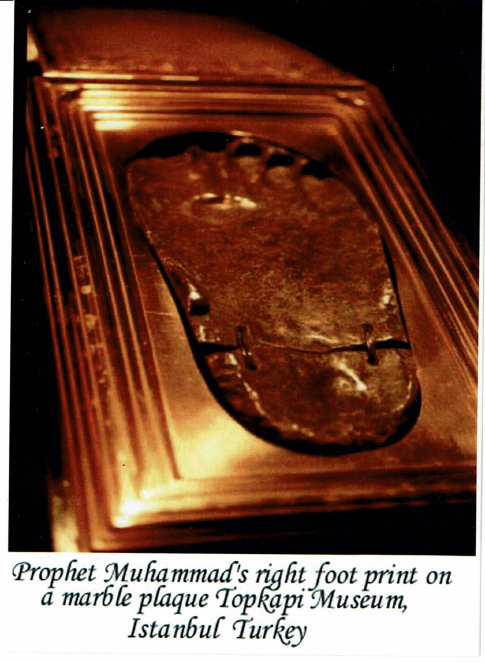
Prophet Muhammad


 Rare photos


    Prophet Mohammad tells us a parable in his teaching how Allah only punishes the arrogant and tyrants but protects the weak and rewards the righteous. The Prophet said:

    “Paradise and the (Hell) Fire argued, and the (Hell) Fire said, “I have been given the privilege of receiving the arrogant and the tyrants.” Paradise said, “What is the matter with me? Why do only the weak and the humble among people enter me?”

    On that, Allah said to Paradise: “You are My Mercy, which I bestow on whomever I wish of my servants.” Then Allah said to the (Hell) Fire, “You are my punishment by which I excruciate whomever I wish of my slaves. Each of you will have its fill.”

    As for the (Hell) Fire, it will not be filled till Allah puts His Foot over it whereupon it will say, “Enough! Enough! Enough!” At that time it will be filled, and its different parts will come closer to each other; and Allah will not wrong any of His creatures. As regards Paradise, Allah will create further creatures to fill it with.” 

(narrated by Abu’huraira, From Bukhari Hadith, Vol V, no 4851)


Jarir Ibn Abdullah narrated:

    “We were sitting with the Prophet on the fourteenth night (of a lunar month), when he looked at the full moon and said:
    
    “You will see your Lord as you see this moon, with no difficulty in looking at Him. So, whoever can, should not miss performing prayers before sunrise (Fajr) and before sunset (Asr)” 

    Then the Prophet recited:

“And celebrate the praises of thy Lord before the rising of the sun and before (its) setting.” 
(Quran 50:39)


Jaber narrated: 

    On the day of Alhudaibiya, the people felt thirsty (after using up all the water in the well). The Messenger of Allah had a utensil containing water, from which he performed ablution. Then the people came towards him. 

    The Messenger of Allah asked, “What is the matter with you?”

    The people said, “O Allah’s Apostle! We have no water to perform ablution with or to drink, except what you have in your utensil.”

    As soon as the Prophet had put his hand in the utensil, the water started spouting out from among his fingers as springs. So we drank and performed ablution.

    I (the sub-narrator) said to Jabar, “How many were you on that day?”

    He replied: “Even if we had been one hundred thousand, that water would have been sufficient for us. At any rate, we were 1500.”

(From Bukhari, Vol V #4152)


Al’bara narrated: 


    Allah’s Apostle was the most handsome of all the people, and had the best appearance and morals. He was neither very tall nor short. The Prophet was of moderate height, having broad shoulders and (long) hair reaching ear lobes. Once I saw him wearing a red cloak, than whom I had never seen more handsome His face was (as bright) as the moon.”


 Abdullah Ibn Ka’b Ibn Malik narrated: 


    “When I greeted the Messenger of Allah, his face was glittering with happiness. Whenever the Messenger of Allah was happy, his face would glitter, as if it were a piece of the moon. We used to recognize it (his happiness) from his face.” 

(From Bukhari Vol VI #3549, 3551, 3552, 3556)


Ab’juhaifa narrated: 

    Once Allah’s Apostle went to Alba’tha at noon, performed the ablution and offered Dhuhr prayer as two Raka-s (prostration) and Asr prayer (before sunset) as two Raka-s while a spearheaded stick was planted before him for the passers-by to pass in front of it. (Following the prayer), the people got up and held the hands of the Prophet which they passed on their faces. I also took his hand and kept it on my face. I noticed that it was colder than ice, and its smell was nicer than musk.”

(From Bukhari, Vol VI, #3552)


Anas narrated: 

    The people of Mecca asked the Messenger of Allah to show them a miracle. So he showed them the moon split into two halves between which they saw the Hira (mountain).


Abdullah Ibn Mas’ood narrated: 

    While we were with the Prophet in Mina, the moon was split into two parts. On that the Prophet said, “ Bear witness (to this).” Then a piece of the moon went to the mountain.

(From Bukhari, Vol IV, #3868, 3869)


Abu’huraira narrated: 

    I heard Allah’s Apostle saying: “The good deeds of any person will not cause him to enter Paradise.” 

    They asked, “Not even you, O Allah’s Apostle?”

    He said, “Not even me, unless Allah bestows His Favour and Mercy on me. So, be moderate in your religious deeds and do the deeds that are within your ability. Moreover, none of you should hope for death, for if he is a good doer, he may increase his good deeds, and if he is an evil doer, he may repent to Allah.” 

(From Bukhari, Vol VII, #5673)